Until We Meet Again
With that hope, our gathering with partners from four countries — Palestine, Iraq, Jordan and Lebanon — came to a close.
We met in Jordan at the end of June for two days, the final meeting of the Qarib programme. We discussed a range of issues connected to the media and to the concerns of journalists, and we reviewed the Qarib programme itself and what it has achieved for the partners who, over the programme’s years, produced more than 6,500 media pieces through it.
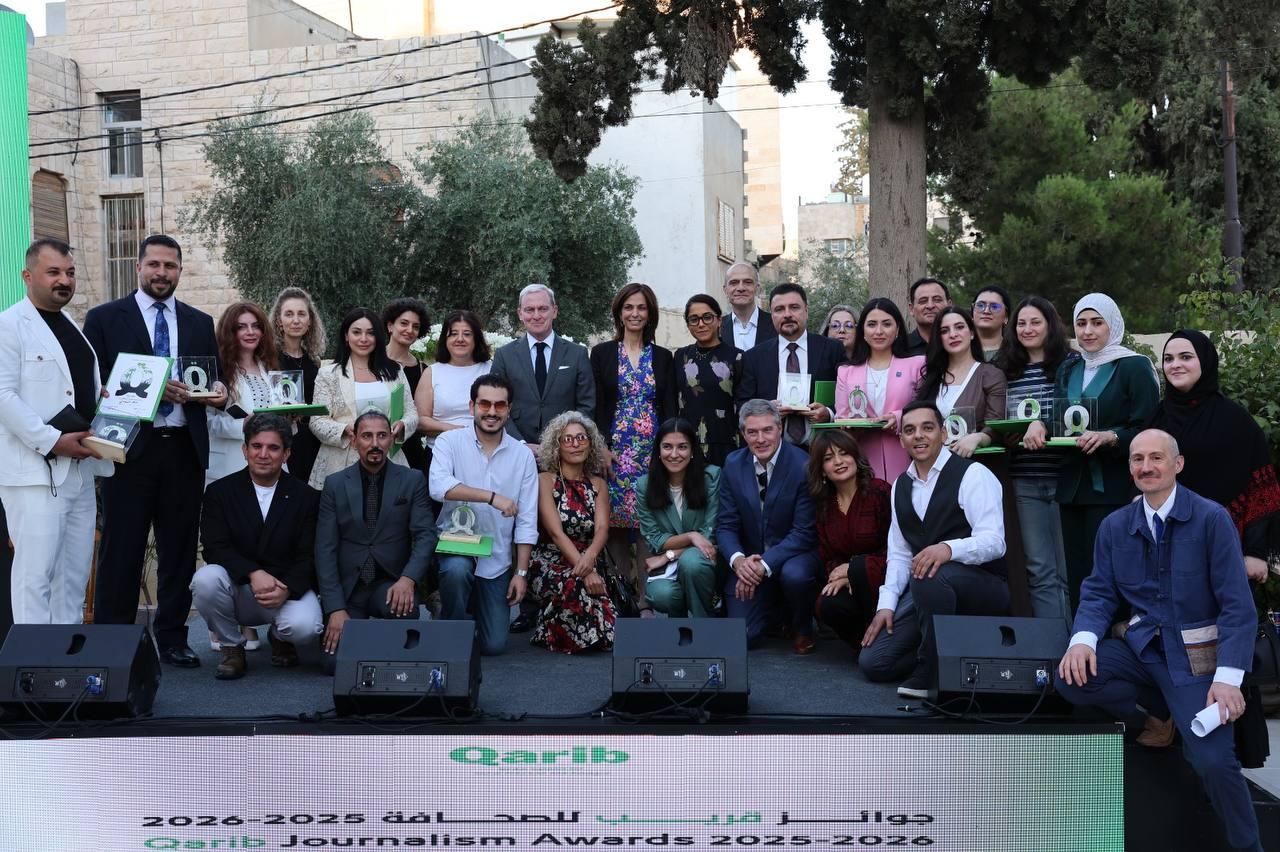
The Jordan meeting was also an occasion to celebrate the winners of the Qarib Award in its final year. Over three editions, the award grew into more than a celebration of outstanding work by alternative media: it became a tribute to the courage of journalists who take on subjects others avoid, from corruption to discrimination and environmental damage, and much more.
Years in Review: Numbers and Achievements
We begin with what we built together with our partners over the life of the programme — a record that is not limited to output, but also reflects our partners’ success in widening their reach to millions:
- Reach and audience: Qarib-supported productions on our partners’ platforms (more than 40 of them) drew over 23 million views and engagements. Yes — 23 million. That figure was not created by Qarib’s support alone; it was built by the quality of our partners’ work and by the willingness of these platforms to challenge the mainstream, break through barriers and cover the issues that matter most to people.
- Women’s presence: Another point the programme celebrates is that women were not only at the centre of the issues covered, they were also the content creators: 43% of the colleagues who worked on these productions were women, while women’s issues accounted for 46% of the coverage.
This video shows some of what was achieved — not everything, and not a selection of the very best. It is one example among many others available on our website:
“Qarib Talks”: Panels and Conversations
Over the programme’s years we organised 15 panels and conversations under “Qarib Talks”, ranging from discussions of unfolding events preoccupying the media and the region to debates on public freedoms.
Direct conversations took place in our regular meetings with partners, the last of which was the closing gathering in Jordan, attended by all partners and colleagues working on the programme. The final Amman meeting was an opportunity to discuss three main themes:
1. The sustainability of independent journalism and integrating AI into newsrooms
- Financial sustainability: focusing on the biggest challenge facing independent outlets by reviewing strategies to build resilience and diversify income without compromising editorial independence (hybrid social-enterprise models, subscriptions, training services, and private-sector partnerships).
- AI applications: moving from theoretical experimentation to practical use, and reviewing the results of the Q-AIM programme in strengthening content quality, reinforcing credibility and countering disinformation — while accounting for language barriers and cost, so that automation serves editorial work and adds genuine journalistic value.
2. A difficult working environment: protecting journalists and legal accountability
- Threats and safety: highlighting the complex security and legal environment in countries such as Palestine, Lebanon, Jordan and Iraq, and addressing digital threats, surveillance and systematic censorship, alongside field safety mechanisms.
- Ending impunity: raising the accountability file frankly, stressing the need to dismantle impunity when journalists are targeted, and activating advocacy tools and international and local pressure to protect press freedom and the right to report.
3. Regional cooperation and an interim assessment of Qarib’s legacy
- Looking ahead: discussing prospects beyond the current cycle, reviewing possible extension options, and designing sustainable mechanisms to keep the partner network across the four countries alive.
Supporting Institutions and Protecting Journalists
It is worth noting that we played a role in supporting several bodies and vital measures that advance freedom of expression and the protection of journalists, including activities in cooperation with:
- Metro Center in Iraq: for the light it sheds on what journalists face and on the gaps in public freedoms.
- The Union of Journalists in Lebanon: which played a role in the debate on the media law and pushed for substantial amendments to it — even as the political authorities in Lebanon recently attempted a workaround through certain articles that would allow journalists to be prosecuted under the banner of “fake news and defamation”.
Note: this pretext serves as a foothold for those engaged in corruption to escape prosecution, amid the significant obstacles that characterise access to information.
Metro Center’s most recent activity was a media roundtable in Halabja calling for equal access to information.
The roundtable, supported by CFI under the Qarib project, brought together more than 30 participants — journalists, local officials and academics — to examine the challenges of journalistic work in the governorate.
Key outcomes and recommendations:
- Fair coverage: calling for official data and information to be distributed, and all media outlets treated, equally and without discrimination.
- Economic support: urging international partners to direct training and technical support towards media outlets in smaller governorates to help them face financial crises.
- Protecting journalists: establishing effective mechanisms to strengthen press freedom and document field violations.
Organisers confirmed that the recommendations will form the cornerstone of upcoming Qarib workshops and training sessions.
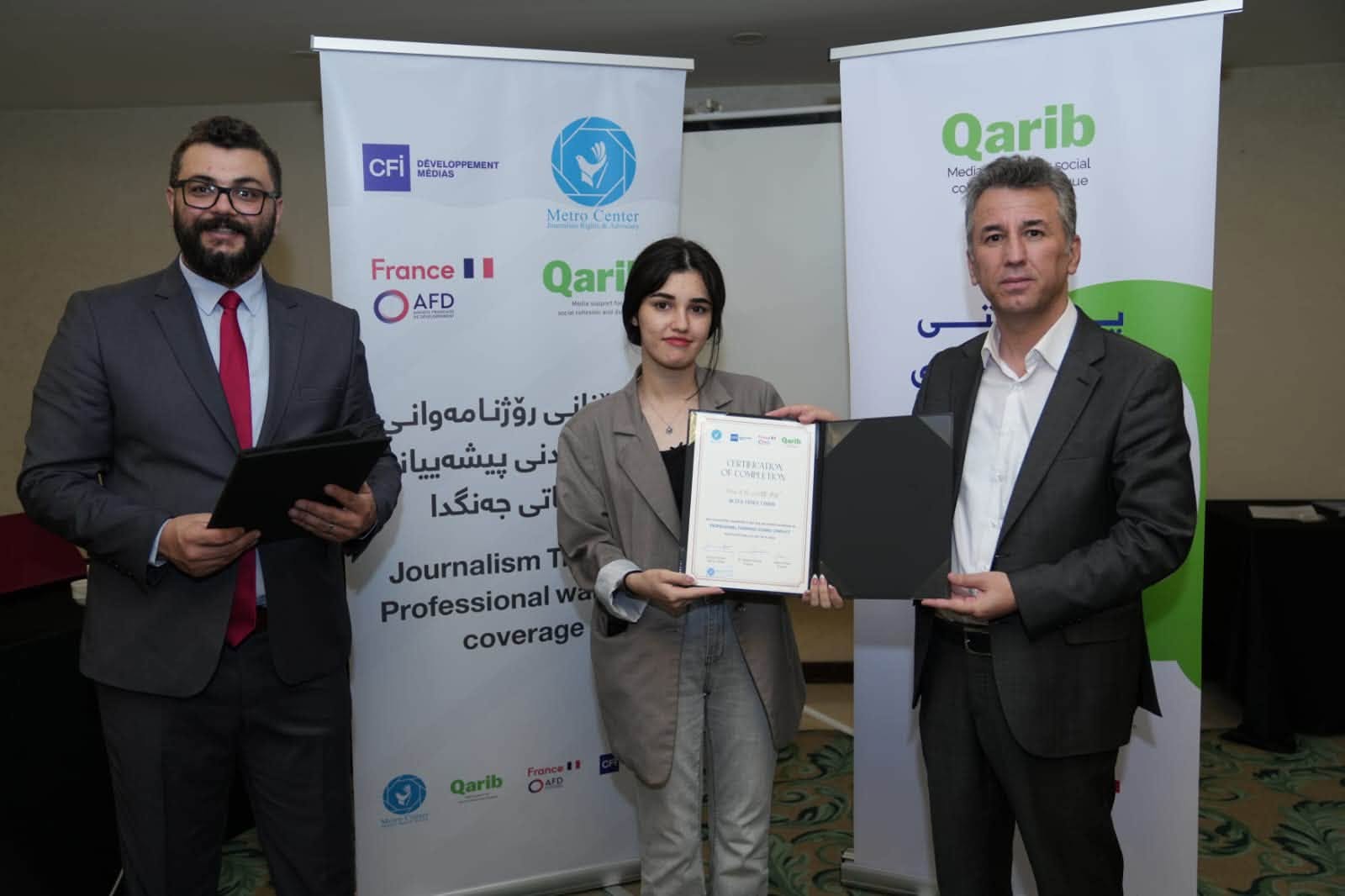
The other activity was a training course for Kurdistan’s journalists on safe coverage in conflict areas, held in Erbil with 18 journalists from various Kurdish media outlets. The workshop focused on:
- Legal protection: reviewing the rights and guarantees international law provides to journalists.
- Field skills: simulating newsroom work under pressure, verifying sources and reporting events accurately.
The course responded to a pressing need among Iraqi journalists to balance speed of reporting with safe coverage.
Cooperation continues with the Union of Journalists in Lebanon on a fellowship that likewise aims to shed light on the constraints journalists face through laws and changes to them.
Before the fellowship launched, the Union of Journalists in Lebanon organised a joint training bringing experienced journalists together with students under the “Media Law Fellowship” programme, in preparation for producing publishable journalistic and research material.
The Qarib Award and Closing Ceremony
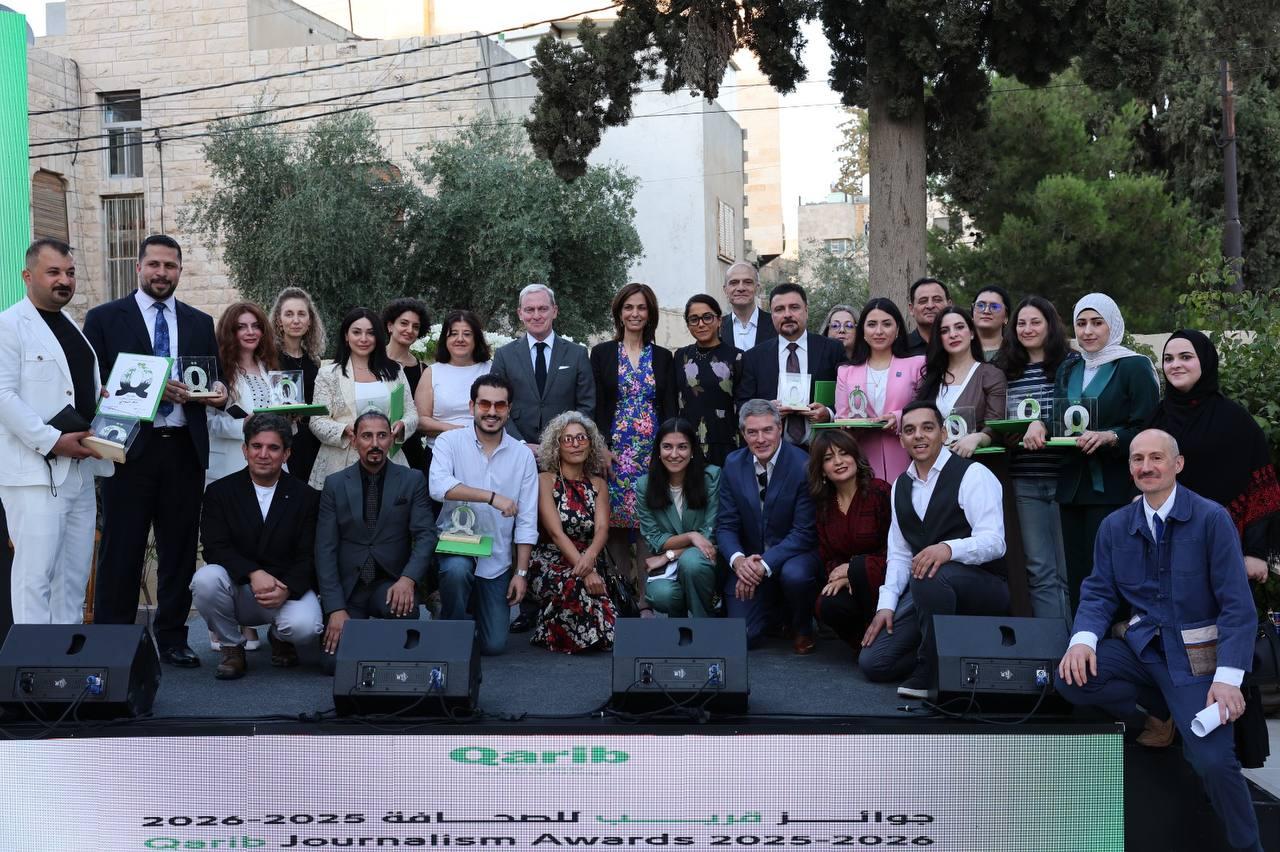
Across the five categories, the jury honoured work addressing environmental degradation, women’s rights, youth issues, corruption, local governance, and conflict and displacement. However different their subjects, the winning entries shared a commitment to rigorous verification, public accountability, and representing voices too often absent from mainstream coverage.
In Partnership with Qarib
FT Strategies conducted a study titled “Aiming High: The AI Opportunity for Independent Media in Jordan, Lebanon, Iraq and Palestine”.
The study was carried out by FT Strategies — the consulting arm of the Financial Times — on behalf of the Qarib programme.
It drew on analysis and working partnerships with more than 40 independent media organisations across these four countries to examine how AI tools are being adopted and applied in local newsrooms.
The study examines the reality of AI adoption in independent media organisations in Jordan, Lebanon, Iraq and Palestine, starting from the real challenges they face: limited resources, dependence on external funding, weak infrastructure, the complexities of working in Arabic, and declining audience trust. It stresses that successful digital transformation does not depend on adopting the latest technology for its own sake, but on aligning AI tools with each organisation’s needs and level of organisational maturity, through a framework that progresses from survival to sustainability and then innovation.
The study concludes that AI represents a practical opportunity to improve newsroom efficiency, content production, audience engagement, income diversification and trust-building — provided it is adopted gradually and responsibly, based on a partnership between humans and AI rather than full replacement. It also recommends focusing on small, fast-impact experiments, developing institutional capacity, and strengthening collaboration between media organisations and their supporters, ensuring a sustainable transformation that respects the particularities of the region’s media environment.
Success in adopting AI within independent media organisations in Jordan, Lebanon, Iraq and Palestine, the study finds, does not come from pursuing a broad, abstract digital transformation, but from first addressing the specific operational problems and challenges newsrooms face. The findings confirm that a complementary human–AI partnership (the hybrid approach) outperforms either working alone, particularly given the linguistic complexity and dialectal variety of Arabic, which makes full automation unreliable. To direct resources effectively, the study offers a reference framework classifying organisations by institutional and technical capability into three stages — survival, sustainability and innovation — allowing each to choose the tools and experiments that match its actual situation.
On the practical and strategic level, the study found that low-cost, fast-impact experimentation is the best entry point for benefiting from AI. This includes using smart tools to automate administrative tasks and grant writing to ease the burden on journalists; leveraging WhatsApp’s wide reach in the region for smart distribution and deeper audience engagement; turning journalistic archives into revenue-generating assets; and participating in collaborative verification networks. The report also stressed that building and restoring audience trust requires full transparency about the limits of AI use and the adoption of strict data-protection standards, calling on funders and media organisations to build shared infrastructure and flexible, long-term projects that can overcome regional funding and infrastructure obstacles.
Qarib Training
312 journalists in Lebanon, Iraq, Jordan and Palestine took part in 32 training sessions, covering:
- Investigative journalism and building investigations
- Data journalism and information verification
- News reporting and coverage
- Video journalism and filmed field coverage
- Podcasting and audio journalism
- Safety and protection for journalists
- AI and new technology in the media
- Specialised and sensitive reporting: environment, gender and legal affairs
Alongside a range of other training formats our partners benefited from — many of them designed in response to their own requests, to make sure their professional needs were fully covered.
Work by Qarib’s Partners
Finally, a note that our partners’ productions under the Qarib programme concluded this past July, and were — as they had been from day one — professional and carefully made.
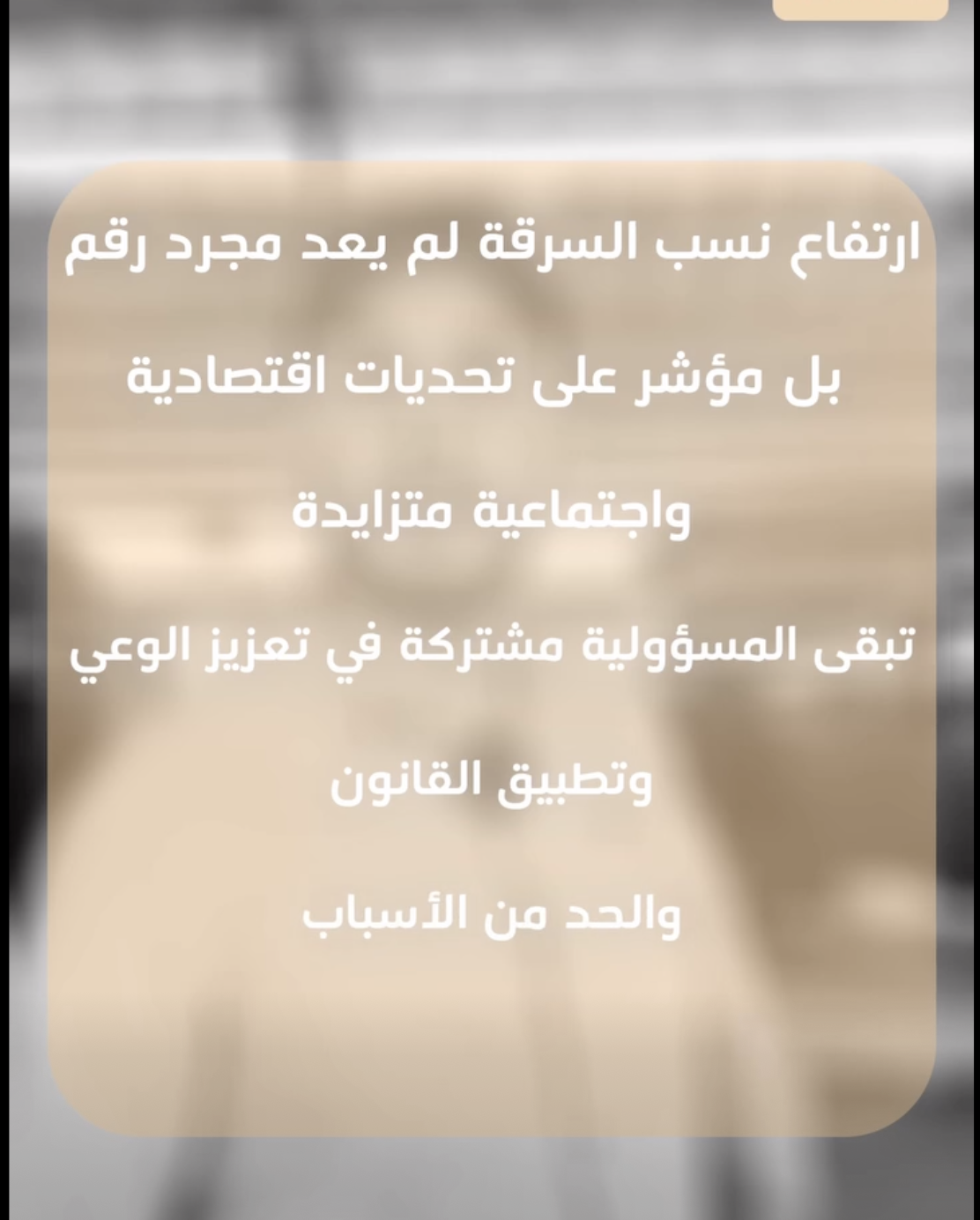
We have selected for you a report by Shamaa Palestine TV on rising theft rates driven by deteriorating social conditions, delayed salary payments and increasing poverty amid the current situation in Palestine.
We have also selected this report from 7iber on the collapse of Gaza’s financial infrastructure and the challenges that reality poses.

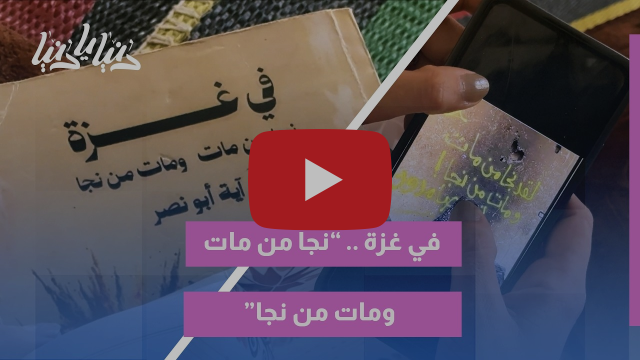
From Ru’ya Palestine, this report on the book by Aya Abu Al-Nasr, who lost 150 members of her family in Gaza.
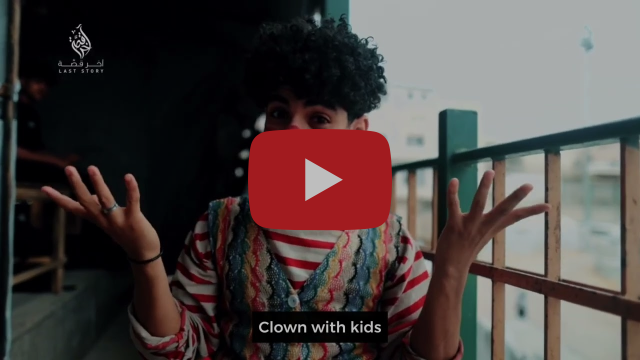
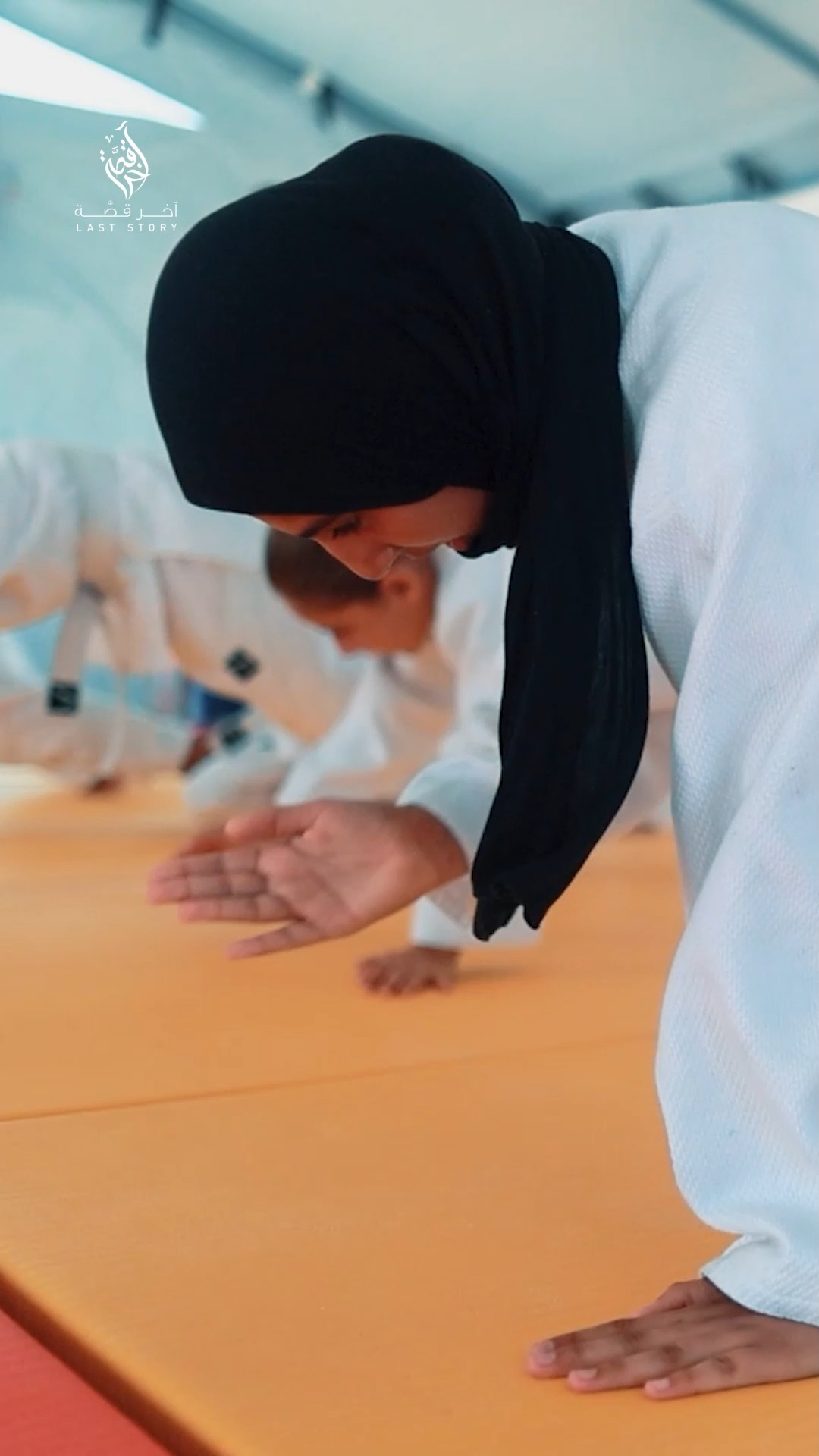
Last Story platform chose a set of topics, among them this video on judo training for children, girls included, to help them work through the psychological toll the war has inflicted on Gaza’s residents.
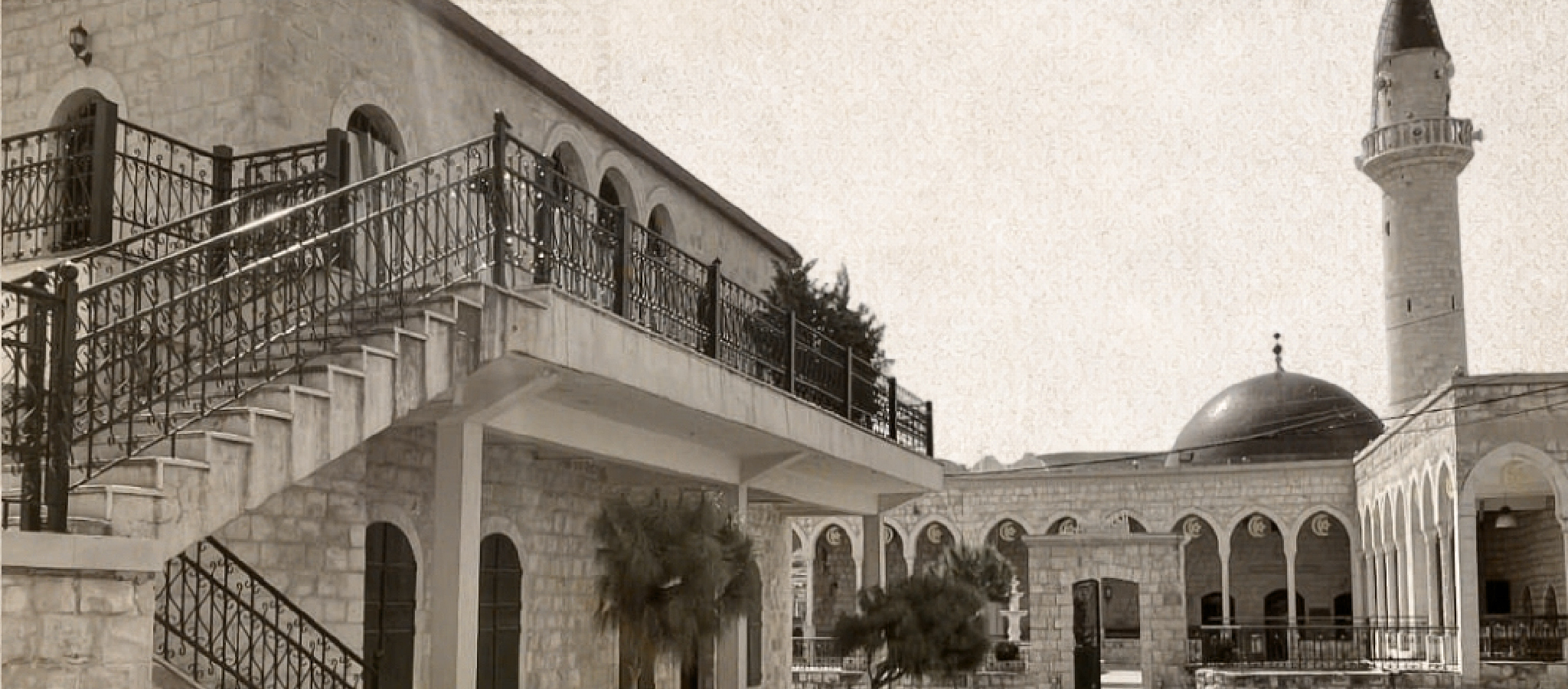
And from Bint Jbeil in southern Lebanon, where most buildings were levelled, this report by Silat Wassel on the city’s Grand Mosque, bound up with the memory of the city across its different eras.
The Qarib programme is funded by the French Development Agency AFD and implemented by CFI MEDIAS, the French media development agency.