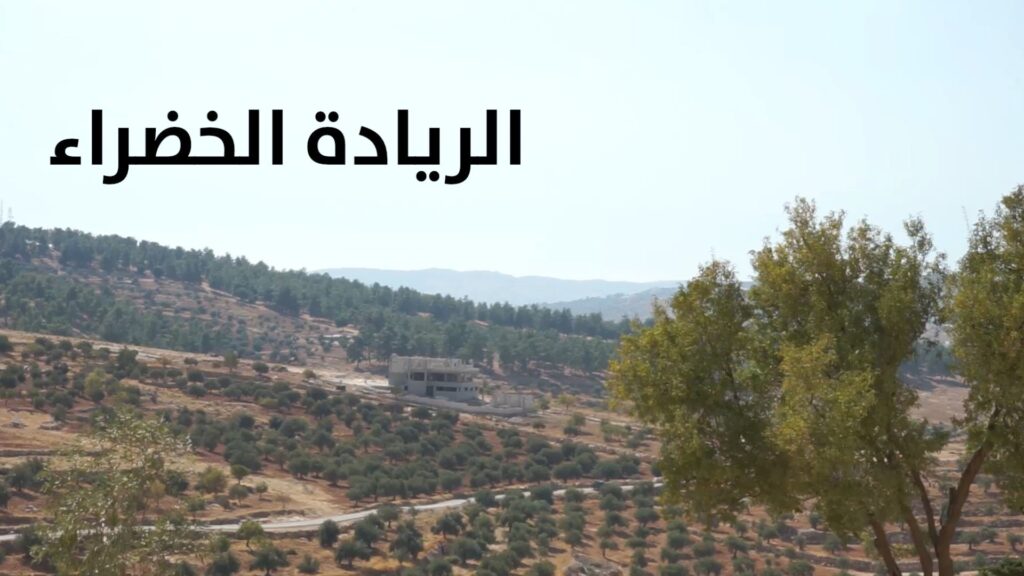
Green entrepreneurship
Read the article here
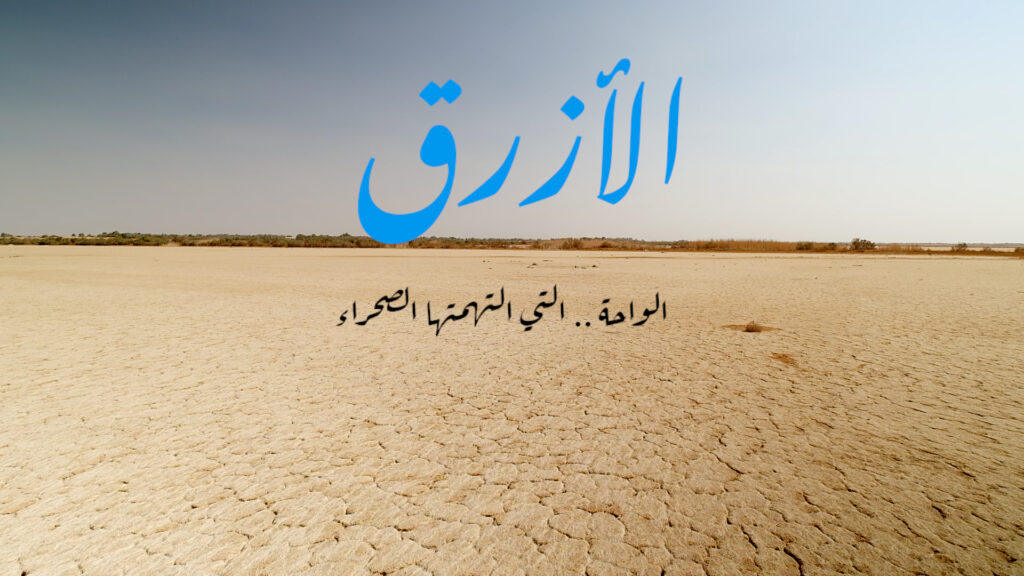
Azraq, the oasis destroyed by climate change
Read the article here
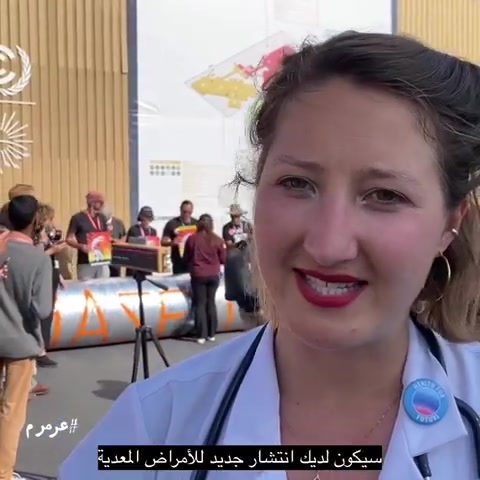
How do fossil fuels affect the increasing number of deaths? #cop27
Read the article here
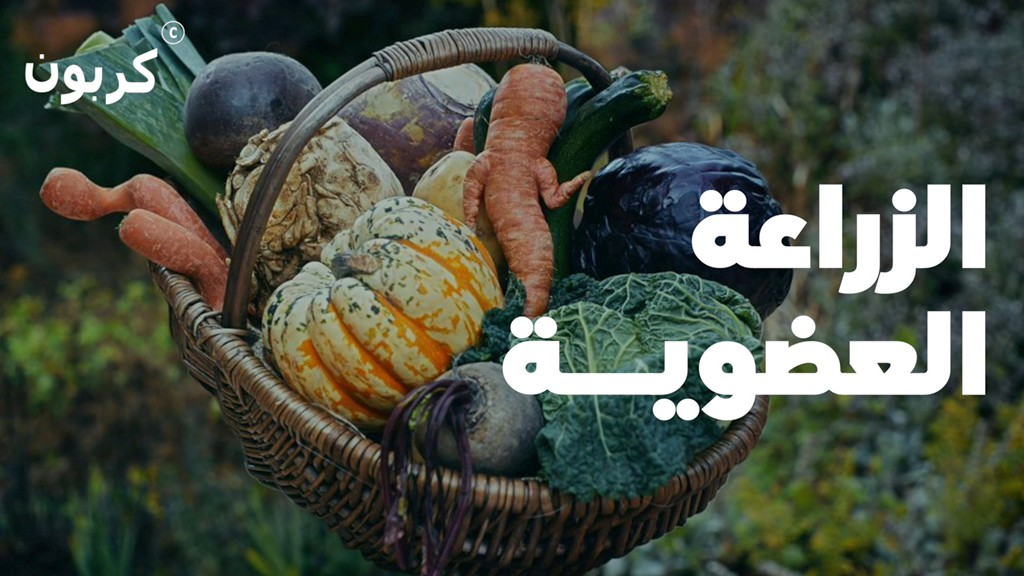
“Why do we need organic farming? This feature addresses the growing interest in organic farming and its significance in today’s world. As more consumers pay attention to labels while shopping for fruits and vegetables, many are choosing products labeled as “”organic.”” But what does “”organic”” really mean, and why does it matter? The feature will explore the principles of organic farming—how it differs from conventional agriculture by avoiding synthetic chemicals, GMOs, and preservatives. It will also examine the benefits of organic farming for both the environment and consumers, highlighting the global shift towards organic practices, including in Jordan, where farms like Al-Mujib Organic Farm are leading the way”
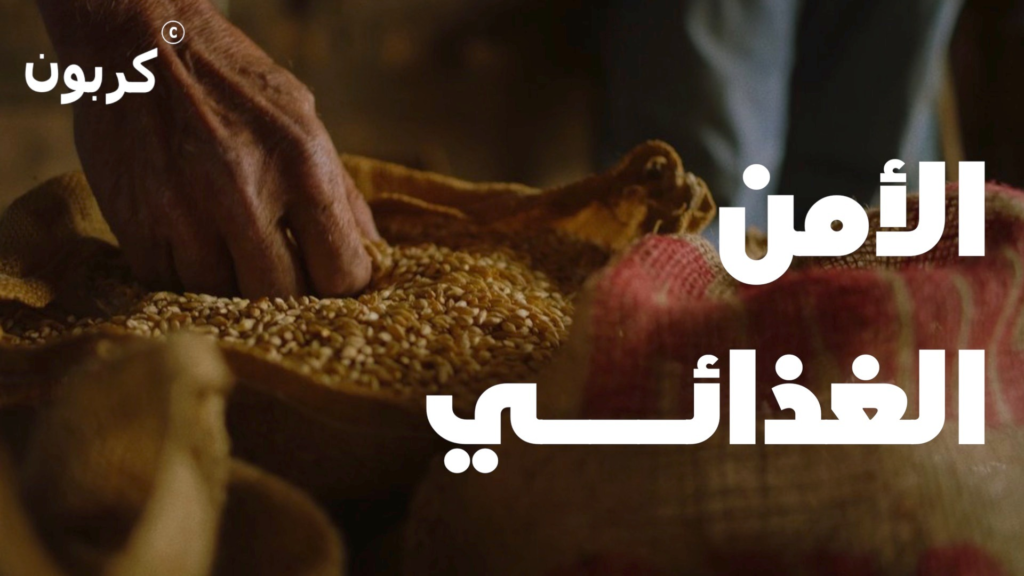
Food security in the Arab world: This feature addresses the pressing issue of food security in the Arab world, especially in the context of the disruptions caused by the COVID-19 pandemic and ongoing conflicts. It explores how these events have exposed our vulnerabilities, particularly our heavy reliance on food imports, and the resulting $20 billion gap in the grain sector.
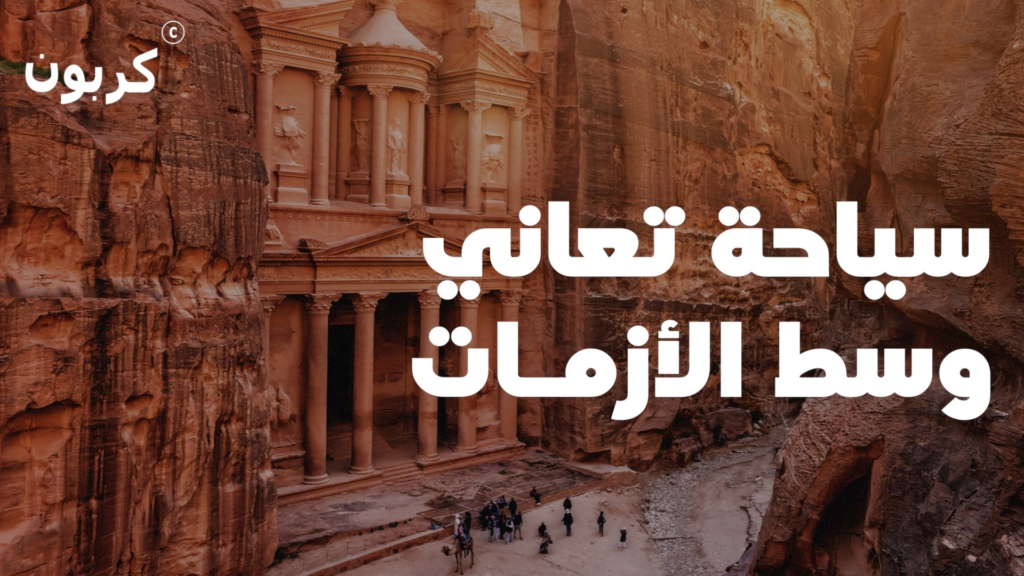
Tourism sector struggles under the war. The feature discusses the impact of war and regional conditions on the tourism sector in Jordan, using Petra as an examble. The situation in Petra has reached a stage where many hotels have announced full closures, which affects the economic and social situation of Petra’s residents, who rely on tourism as their primary source of income.
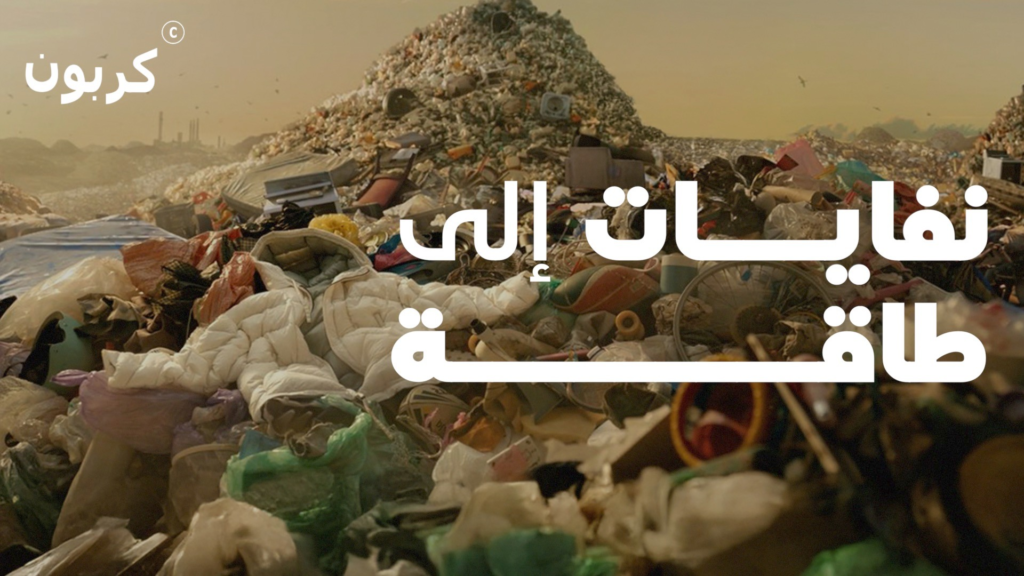
“Textile waste into energy: This feature is with Ali Al-Rababaa, in his pioneering project in the Al-Dhalil area to recycle industrial textile waste. With textile waste accumulating over an area of more than 70 dunums, Al-Rababaa innovated a method to convert fabrics into thermal materials as an alternative to coal and petroleum derivatives, contributing to environmental and economic sustainability”
This feature highlights Wadi Which is a non-profit organization dedicated to restoring degraded ecosystems and empowering local communities in Jordan. Since 2016, it has established five native-plant nurseries, producing resilient, drought-resistant seedlings to restore forests, rangelands, and wadis. Wadi emphasizes community engagement, water conservation, and a science-based approach to protect biodiversity and ensure a sustainable future where people and nature coexist in harmony.
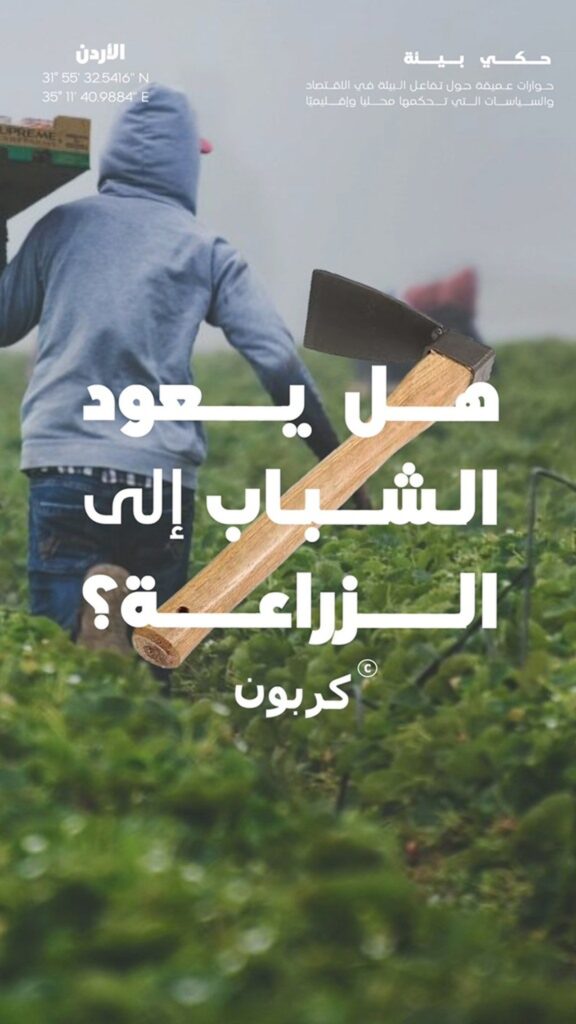
Is interest in agriculture returning? The feature discusses the story of Sohaib Ayyad, an agricultural engineer who promotes agricultural products on social media in an engaging way, particularly to the younger generation. The report also explores the idea of a renewed focus on agriculture coming back into the spotlight.
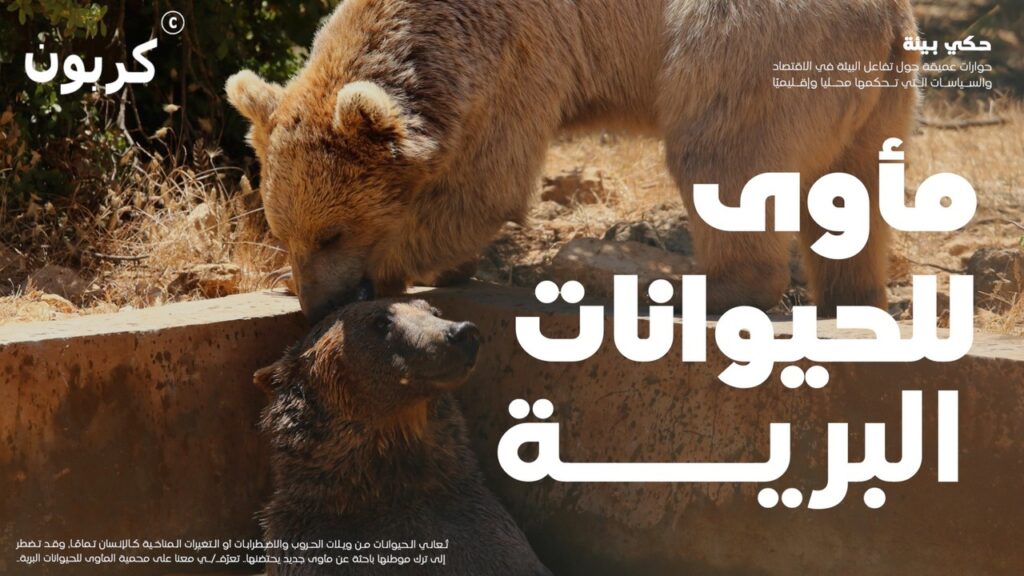
Al-Ma’wa Wildlife Reserve This Feature sheds light on The Al-Ma’wa Wildlife Reserve is one of the natural reserves in Jordan, hosting animals that have survived war zones and illegal trade. It is the first of its kind in the Middle East and North Africa to shelter and care for displaced or injured wild animals.