
Registration for the award has ended.
The Qarib Journalism Awards 2025 recognize, support, and amplify impactful journalism and storytelling from Iraq, Palestine, Jordan, and Lebanon that bring forward underrepresented, marginalized voices and perspectives, while upholding the highest ethical and professional standards.
The region continues to face overlapping crises marked by conflict, political instability, socio-economic pressure, climate change, environmental degradation, corruption, and weak governance structures. These challenges profoundly shape everyday life, particularly for women, youth, people of diverse gender identities, and marginalized communities, whose experiences are often overlooked in public discourse. All award categories therefore emphasize reporting from the perspective of marginalized communities.
In the context of Qarib, marginalized communities refer to groups and individuals experiencing political, economic, social, legal, or environmental marginalization. As a result, groups such as women, youth, displaced people and refugees, ethnic or religious minorities, informal workers, rural communities, and others affected by conflict, corruption, or weak governance often bear the greatest social, economic, and environmental costs. This includes situations where communities are disproportionately affected by climate change and environmental harm, while also being excluded from fair access to resources and from decision-making processes that shape their land, water, and livelihoods.
Qarib recognizes gender diversity and understands gender as a spectrum. This includes women, men, and gender-diverse and gender non-conforming people, whose experiences are often further marginalized in contexts of conflict, socio-economic pressure, and restricted civic space. Women’s rights, in particular, remain a central focus, both in terms of who is reporting and whose realities are being reported on.
Journalists, storytellers, and content creators working on these issues frequently operate under severe constraints, including political pressure, security risks, limited financial resources, and emotional strain. Despite these challenges, many continue to produce courageous, innovative, and socially relevant work that serves the public interest and strengthens accountability.
The call is open to journalists, storytellers, and content creators, and welcomes a wide range of formats, including online journalism, video and mini-documentaries, creative digital productions, and audio formats such as podcasts or long-form audio.
We look forward to your participation!
The categories:
- Best climate and environment reporting
Awarded for outstanding coverage of climate change and environmental challenges, highlighting community-led responses, sustainable initiatives, and local resilience.
- Best women’s rights and gender-sensitive reporting
Awarded for digital stories that center women’s perspectives, rights, and lived experiences — including those of gender-diverse and gender non-conforming people.
- Best reporting on socio-economic issues and local governance
Awarded for reporting that examines local governance, economic inequality, and socio-economic challenges, and their impact on marginalized communities.
- Best coverage of youth concerns by youth (18-30 years old)
Awarded for storytelling that highlights youth perspectives, concerns and youth-led initiatives, civic engagement, and social innovation, particularly in digital formats.
- Best investigative reporting on corruption affecting marginalized communities
Awarded for investigative journalism that exposes corruption, abuse of power, or lack of accountability, and demonstrates how these dynamics disproportionately affect marginalized communities.
The price:
In each category, Qarib will award three winners:
- 2000 USD for the first place,
- 1500 USD for the second place,
- 1000 USD for the third place.
The 15 award winners will be honored at a ceremony in Amman at the end of June 2026. The Qarib program will cover all expenses for the winners to attend the event.
Eligibility:
- Practicing individual freelance journalists, storytellers, and content creators, teams of journalists, staff journalists from media outlets in Palestine, Jordan, Iraq and Lebanon are eligible to apply, working according to journalistic standards enshrined in the Global Charter of Ethics for Journalists of the International Federation of Journalists
- All journalistic formats and forms are eligible, i.e. videos, print and online articles, radio reports and podcasts as well as TV and multimedia reports, columns, feature, investigative reports and photo stories published in media outlets and on social media.
- Submitted contributions must have been published between 01 January 2025 and the end of the application period on 01 March 2026.
The jury and their selection criteria:
The four-member jury will consist of experienced media professionals from the Middle East, representatives of CSOs, and think tanks. They will apply the following criteria:
- Representation: How well does the reporting represent marginalized voices and topics, particularly those of women.
- Originality: The award recognizes original, creative and innovative approaches to format and reporting, particularly those that break stereotypes and challenge traditional narratives.
- Accuracy and depth of the reporting.
- Ethical Standards of the reporting, particularly in terms of impartiality, fairness, and balance.
- Public Service: The jury also considers how the reporting served the public interest, particularly by providing valuable information and analysis to the public.
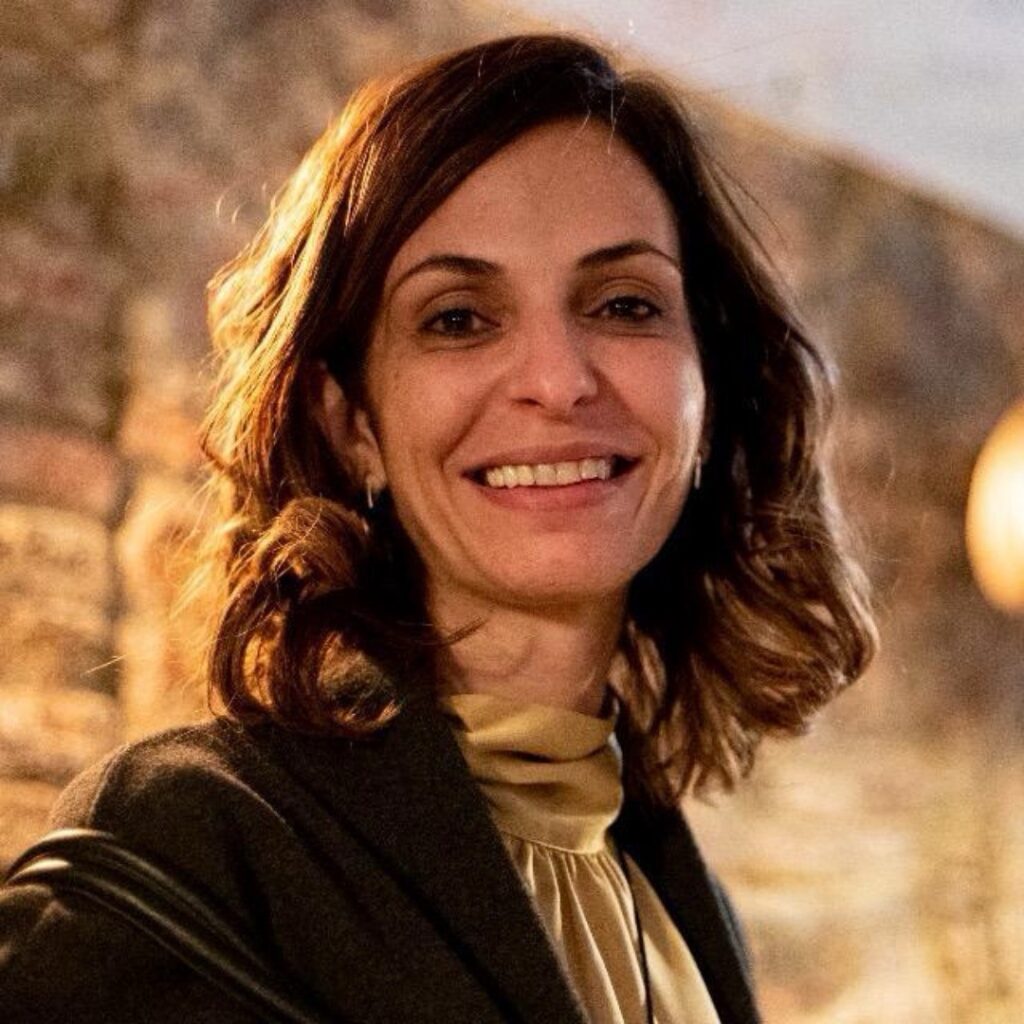
Majdolin Hasan is GIJN’s Arabic Editor and an award-winning journalist with more than 18 years of experience. She has worked with local and international media organizations, including Global Integrity, 100Reporters, and the Arab Reporters for Investigative Journalism network. She previously directed an investigative journalism unit in Jordan and became the first Jordanian citizen to file a case against the Jordanian government for denying her the right to access public information under the country’s access-to-information law. Hasan is currently a fellow at the ONA Women Leadership Accelerator for 2025 and is pursuing her MA in non-fiction writing at Johns Hopkins University.
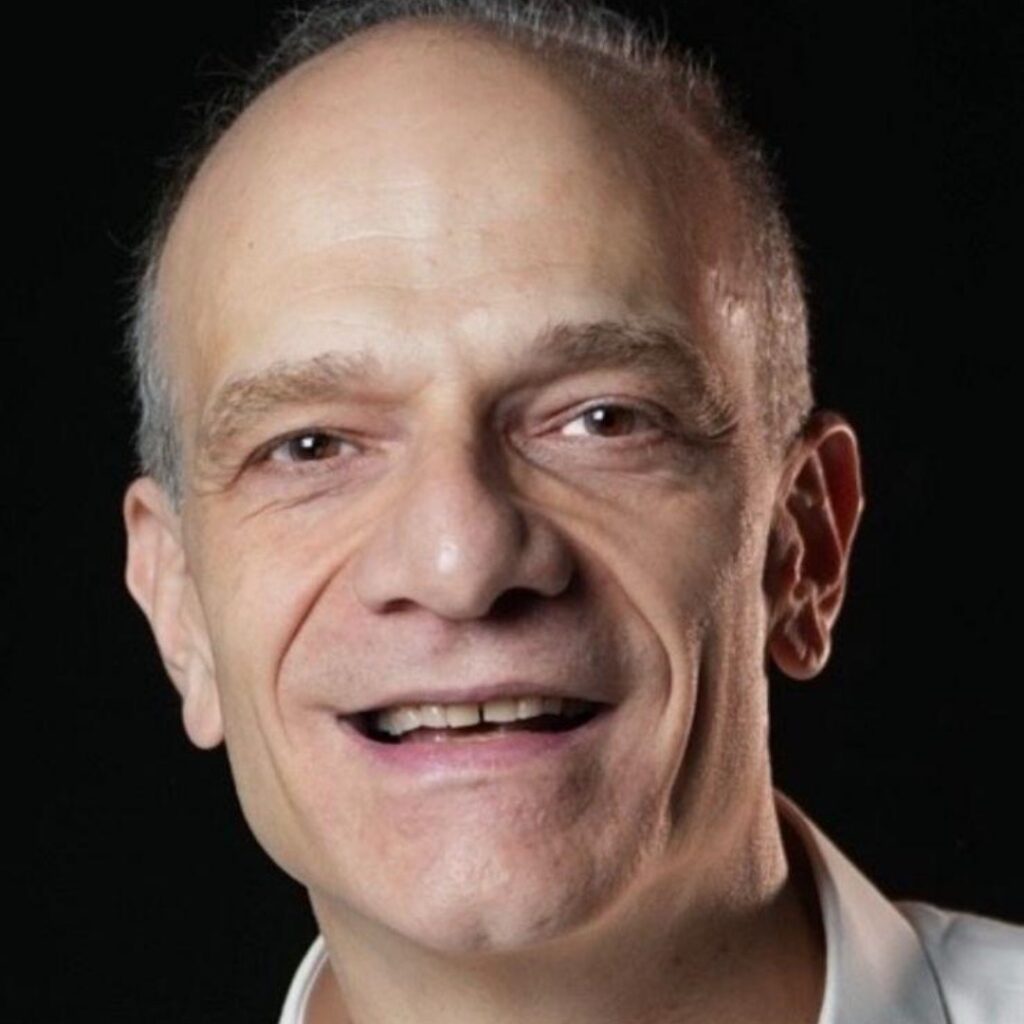
Fouad Khoury Helou is a researcher and specialist on Lebanon and the Middle East.
He served as director of the French-language Lebanese daily L’Orient-Le Jour, to which he continues to contribute through economic and political analyses.
He is the author of several books focusing on Middle Eastern geopolitics, the history of Lebanon, as well as international economics and the role of the U.S. dollar.
He studied at ESCP, Sciences Po Paris, and the American University of Beirut (AUB), and he has also taught economics and finance at Saint Joseph University (USJ) in Beirut.
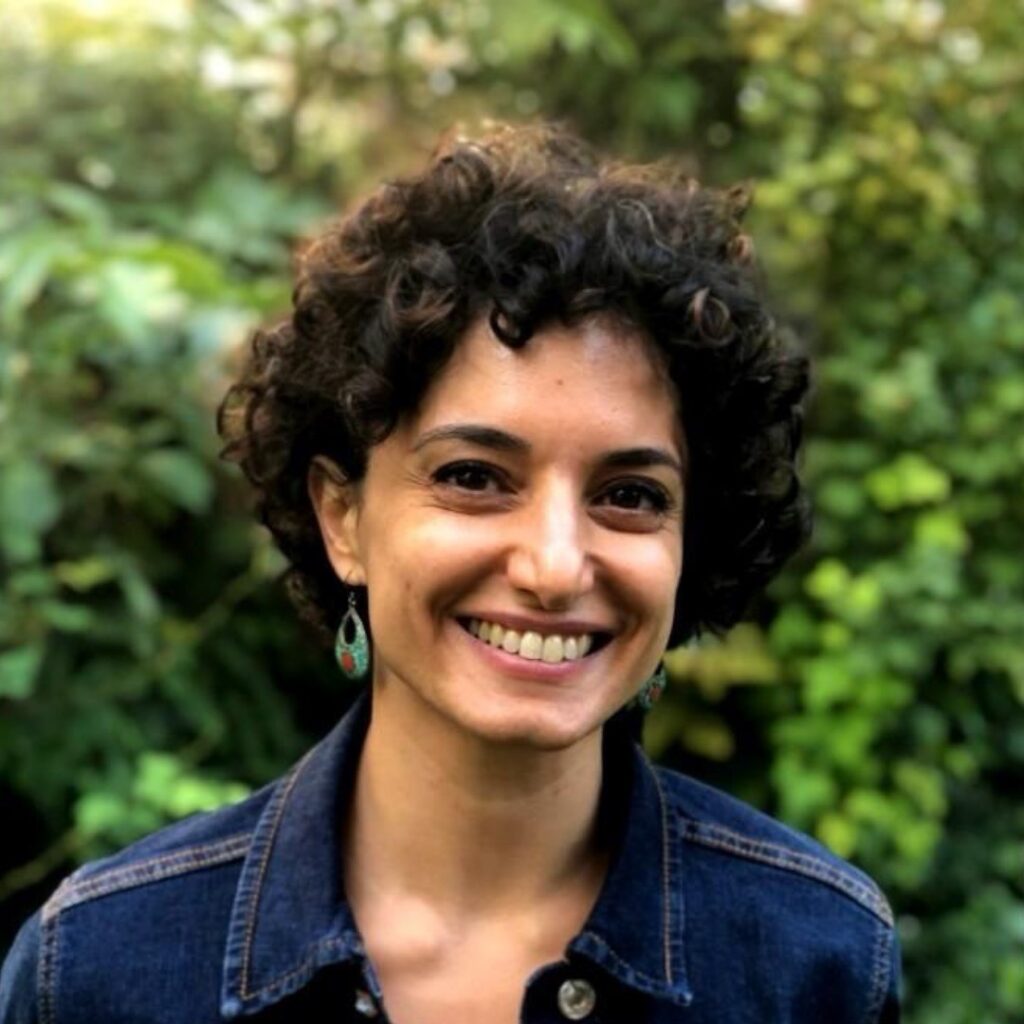
Dima Hamdan is the editor and manager of the Marie Colvin Journalists’ Network, an online community dedicated to supporting Arab women journalists through mentorship, networking, and other bespoke services.
She is also an independent filmmaker and has written and directed several short films. Her last short film, Blood Like Water, was filmed in Palestine and went to over 80 festivals worldwide, winning ten Best Short Film awards.
Prior to working with MCJN, she was a Broadcast Journalist with the BBC Arabic and World Service, with reporting assignments in Iraq, Lebanon, Palestine and the US
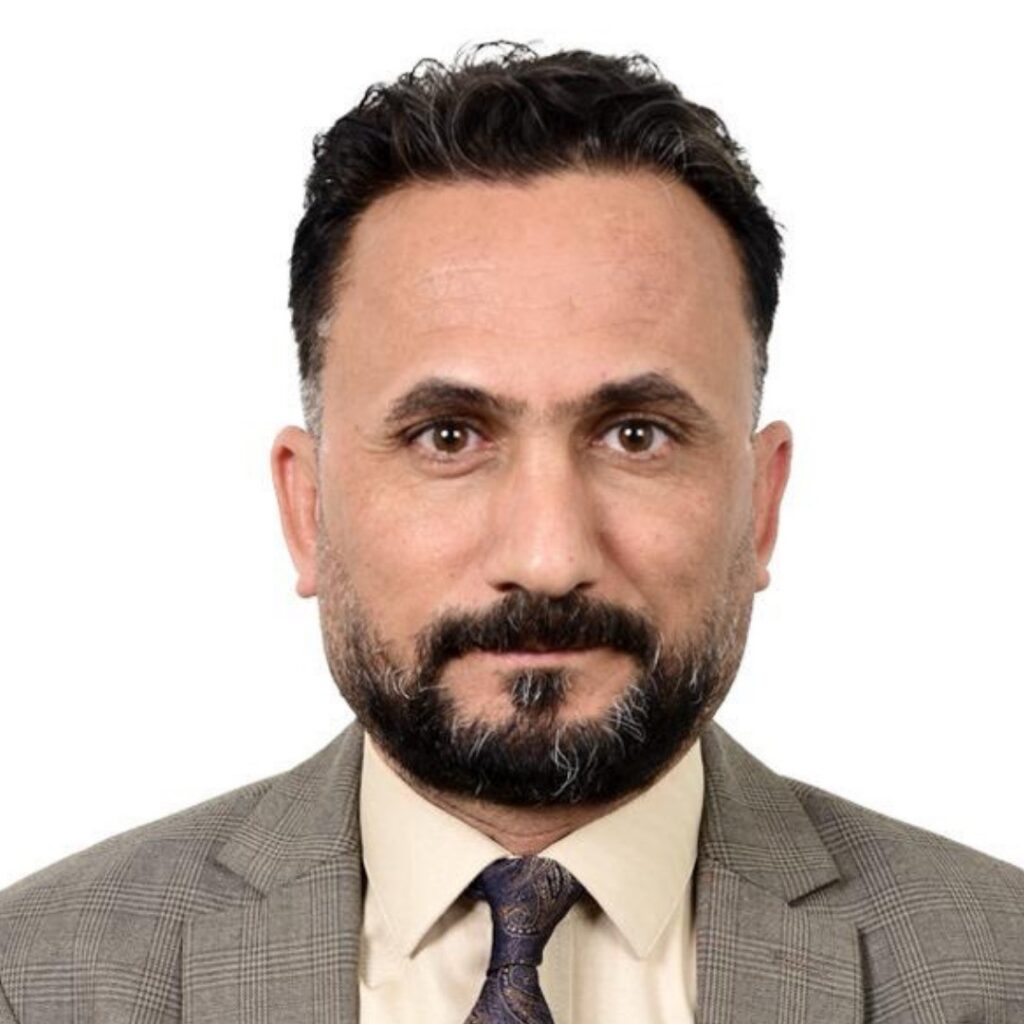
Salam Jihad is Highly accomplished Media and Communications Professional with over 18 years of experience spanning international journalism, government relations, and digital strategy. Proven track record in high-pressure environments, including serving as a Media Officer for the Iraqi President’s Office and contributing to Emmy-winning coverage with ABC News.
Expert in managing multi-platform digital content, coordinating international media relations, and producing analytical reports in both Arabic and English.
Currently leading digital communication and editorial strategy at Al-Bayan Center for Studies and Planning. Recognized for excellence in investigative reporting and a deep commitment to human rights and women’s issues.
How to apply:
- Fill in the application template (through Qarib Award 2025 platform). Note that the written content must be translated into English, for the audio content an English summary must be provided, the video content must have English subtitles. Eventual expenses must be borne by the applicants and have to be taken into account when applying.
- You will receive an automatic response that confirm that your application has been received.
- Send it no later than 01 March 2026 at 8:00 PM Amman time
- If you have any questions contact us through the following email info@qaribmedia.com
Timeline:
- Application deadline: 01 March 2026 at 08:00 PM Amman
- Notification of winners by 20 May 2026
- Award ceremony in Amman at the end of June 2026
About us:
The Qarib program (www.qaribmedia.com) supports social cohesion and positive democratic developments by improving the representation of minorities and marginalized voices and topics in national and regional discourses through support to media in Jordan, Lebanon, Iraq and Palestine. Qarib is funded by the French development agency AFD and implemented by the French media development agency CFI.