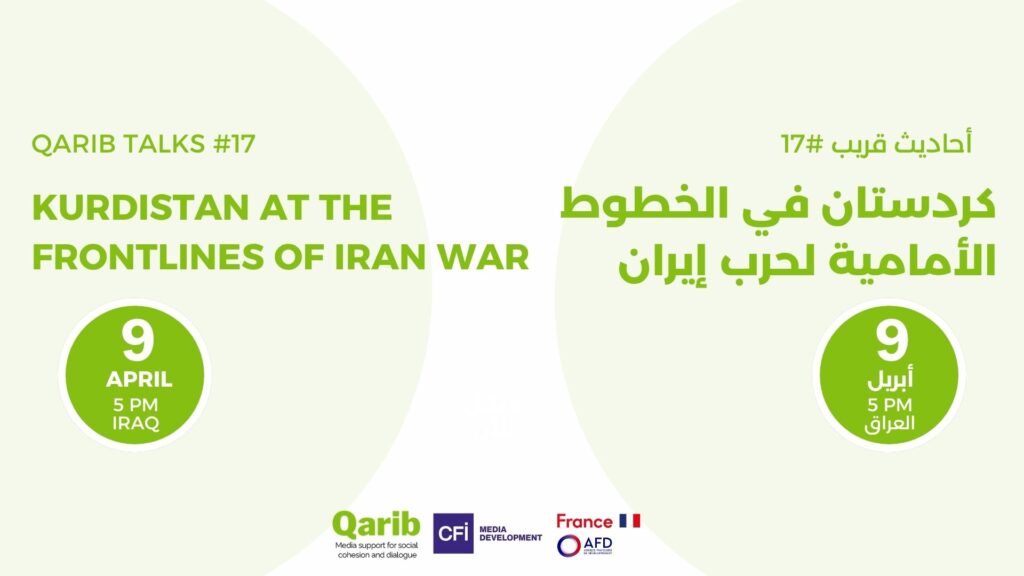
Kurdish regions – Rojhelat (Iranian Kurdistan) and the Kurdistan Region of Iraq – have moved to the center of a widening regional war between Iran, the U.S., and Israel.
The Kurdistan Region of Iraq is already being pulled into the conflict from all sides: the Kurdistan Regional Government (KRG) hosts Iranian Kurdish opposition parties in exile, placing it in an increasingly exposed and politically sensitive position between Tehran, Baghdad, Washington, and regional actors. Iranian strikes have targeted Iranian Kurdish opposition groups based on its territory, while Iran-backed Shia militias in Iraq attack not only U.S. positions but also Kurdish infrastructure and energy assets – by mid—March, more than 400 drones and missiles had struck the Kurdistan Region. At the same time, U.S. forces operate from Kurdish territory, and Israeli air force uses the wider airspace in its campaign against Iran, turning Iraqi Kurdistan into a frontline in Iran’s effort to externalize the conflict and contain unrest at home.
Across the border, in Rojhelat, the Iranian state is tightening its grip: security forces have intensified their presence across Kurdish regions, cracked down on protests, and expanded surveillance and control, signaling that Tehran is preparing for the possibility of unrest or a new internal front. At the same time, reports of growing U.S. engagement with Iranian Kurdish actors, including a possible role on the ground, have gained further attention following a reported phone call between Donald Trump and Mustafa Hijri, a leading figure in the newly formed coalition of Iranian Kurdish opposition parties.
Is this a real strategic shift or another short-term wartime alignment?
For Kurds on both sides of the border, this moment is both an opening and a risk, but the risks are not the same.
So what is really at stake?
Is this a turning point for Kurdish political agency in Iran or another cycle of instrumentalization, with Iraqi Kurdistan bearing the immediate consequences?
We would like to discuss these and more questions with you and our speakers in our QaribTalk#17: The Kurdish question in the Iran war on Thursday, April 09, at 2 PM UTC (5 PM in Iraq, Jordan, Palestine and Lebanon). Please register here (LINK) or follow the debate on Facebook (LINK).
Our Speakers:
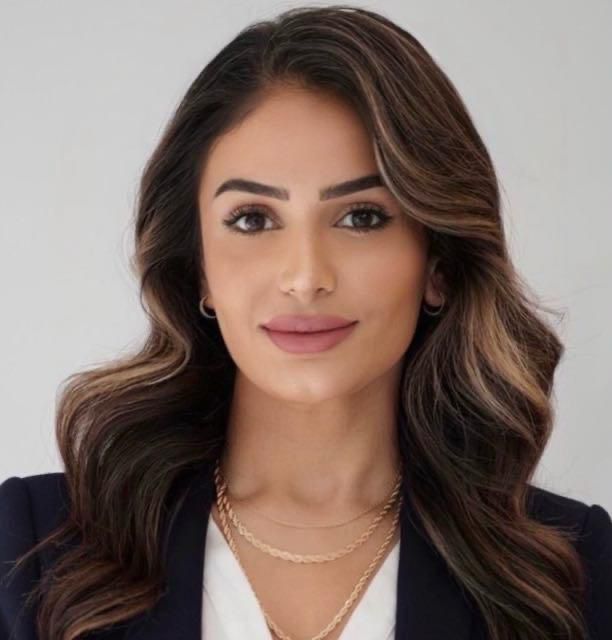
Samira Ghaderi is an active human rights advocate working to amplify Kurdish voices and promote democratic values, accountability, and inclusion in the Middle East. She is an attorney and the managing partner of Ghaderi Law Firm in McLean, Virginia, where she represents individuals and families seeking protection and opportunity in the United States. She holds a Juris Doctor and a Master’s degree in International Affairs from American University. Her legal practice focuses on asylum, removal defense, and complex humanitarian immigration cases, reflecting her deep commitment to protecting vulnerable communities. Beyond her legal work, Samira
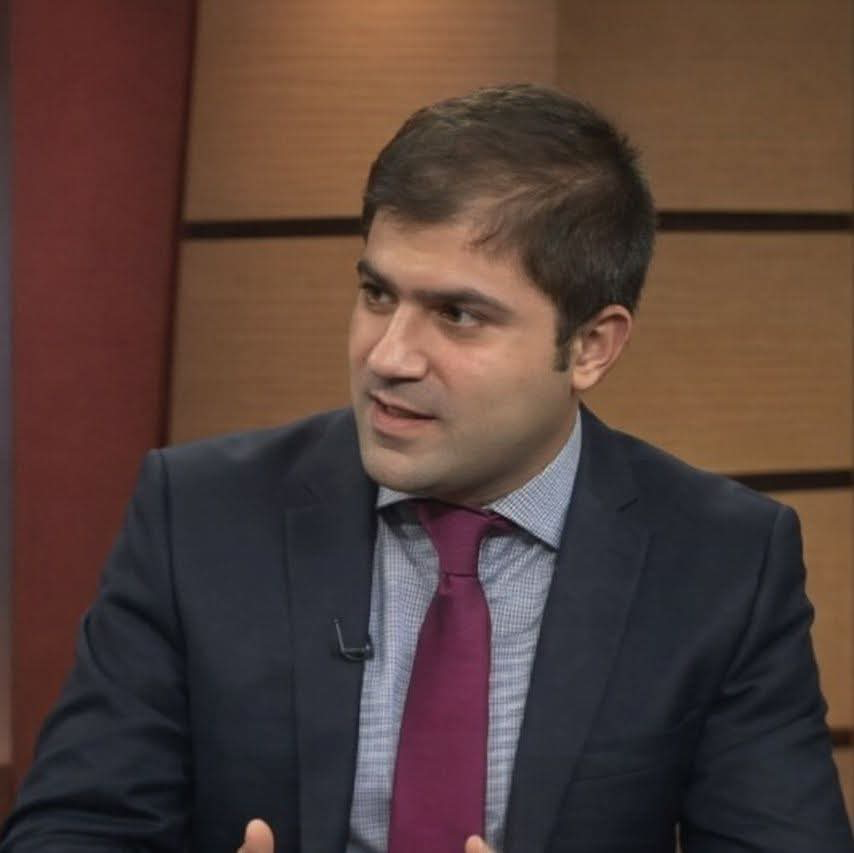
Soran Palani was born in Ramadi, Al-Anbar Governorate, and is Kurdish from Iranian Kurdistan. His family migrated to Iraq in 1980 due to Khomeini’s jihad fatwa against the Kurdish people, and they returned to the Kurdistan Region of Iraq after the fall of Saddam’s regime. He worked as a journalist in several Kurdish newspapers and media centers between 2005 and 2015. He was a former leadership member of the Iranian Kurdish opposition party Komala. He has appeared on Arab TV channels for about 12 years, providing commentary and analysis on Iran and the Kurdish issue. He worked as a university lecturer at the College of Law, Koya University.
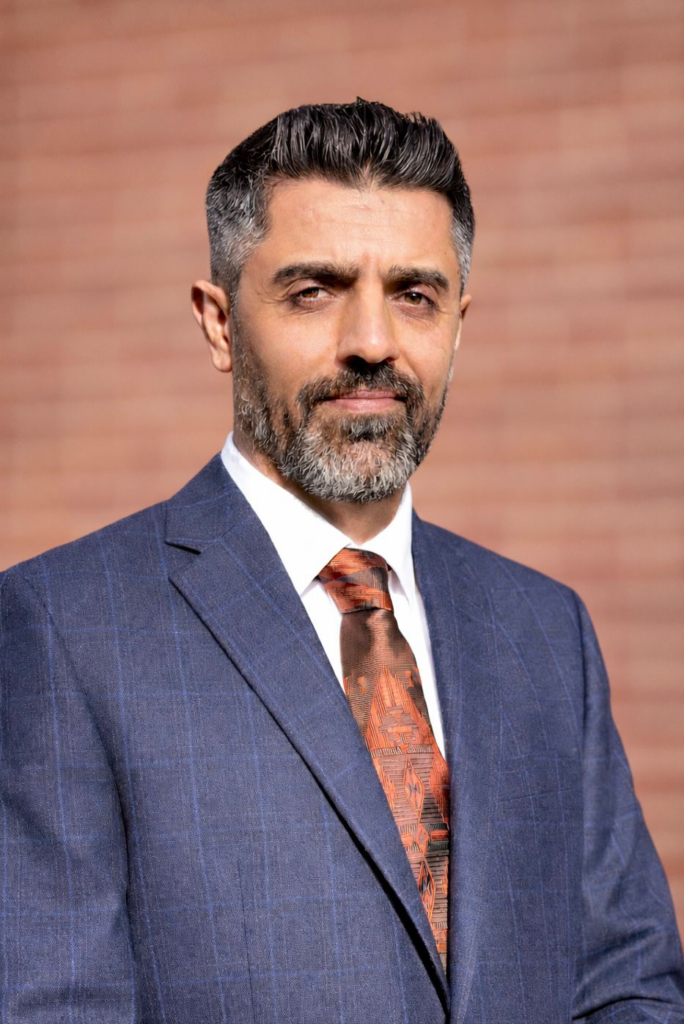
Mohammed A. Salih is a non-resident senior fellow at the Foreign Policy Research Institute’s National Security Institute. Salih holds a PhD from the University of Pennsylvania and has written for over two decades in various capacities for prominent international media outlets, think tanks, and scholarly journals on Kurdish and Middle Eastern affairs, often focusing on ethnic and sectarian politics.
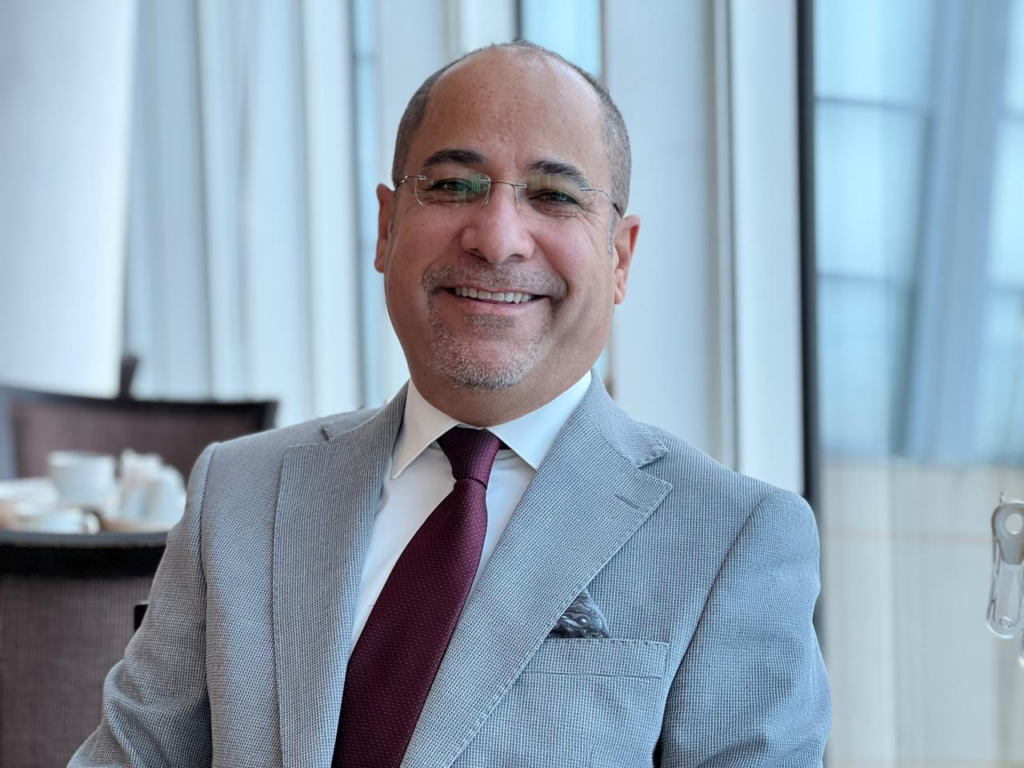
Sarteep Jawhar, a Kurdish writer and journalist born in Erbil, Kurdistan Region of Iraq, has over 29 years of experience in journalism and media. He is known for his focus on political and humanitarian issues, particularly those concerning Kurdistan and Syria. He has collaborated with several media agencies and channels, written political and social analyses, and covered important regional issues, especially Kurdish and Syrian affairs. He is also the author of nine notable books, including The Story of the Referendum, A Visit to Yazidkhan, Meeting Damascus, A Visit from My Country to My Country, The Land of Darkness, The Pain of the Cross, and The Kurds in Baghdad.
The debate will be moderated by Nada Abdelsamad, Qarib’s Chief Editorial Advisor.